
To Buy Antabuse Online Visit Our Pharmacy ↓
 Can Antabuse Help Prevent Alcohol Relapse?
http://comdistec.com/images/photoalbum/jpg/zyprexa.html
How Antabuse Works to Deter Drinking
Antabuse acts like a quiet guard, turning a simple drink into an unpleasant warning. When alcohol enters the body, it blocks normal breakdown, causing flushing, nausea, and a racing heartbeat. That sudden discomfort can make a craving feel less tempting.
For people ready to stop, this extra barrier can create a pause long enough to rethink the choice. It does not remove desire, but it can make drinking feel far less worth the risk. In that moment, recovery becomes a more visible path.
| Purpose | Effect |
| Drink alcohol | Strong reaction |
This response can be a powerful deterrent, especially when used with counseling and routine check-ins. Still, Antabuse works best when someone wants change and has support around them.
Who May Benefit Most from Antabuse
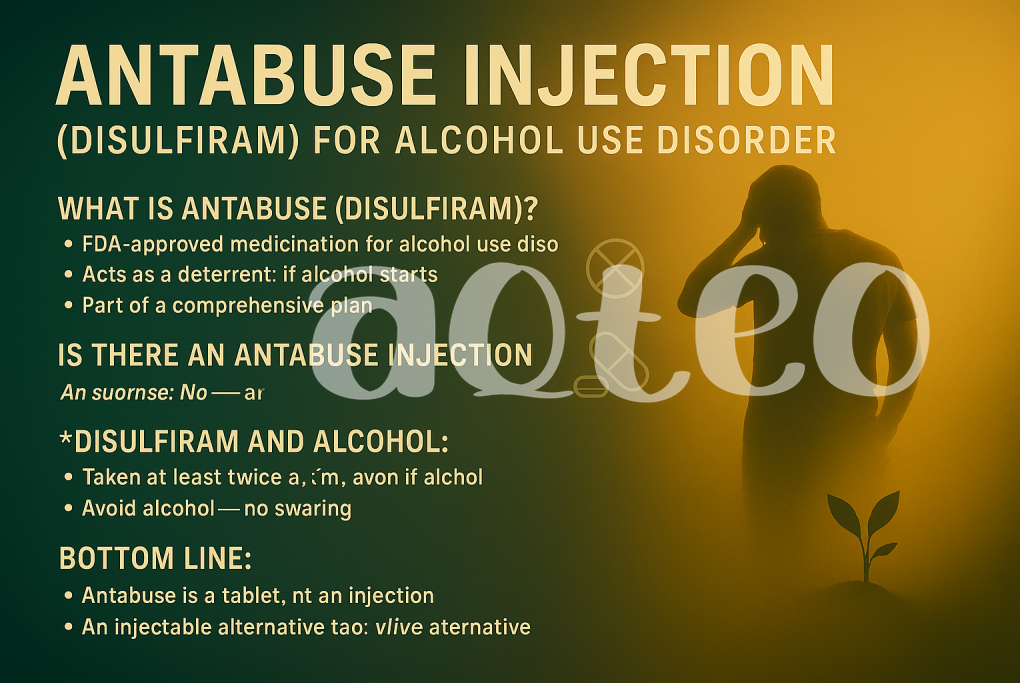
Antabuse can be especially helpful for people who want a strong, clear boundary between recovery and drinking. It often suits those who feel tempted by impulsive choices, because even a small slip can create an immediate consequence. For someone with a steady routine and a firm commitment to sobriety, antabuse may add extra protection during vulnerable moments.
It can also benefit people who do best with structure, accountability, and close support from a clinician or loved one. When used alongside counseling, it may strenghten motivation and reduce the chance of a quick relapse. Still, it works best for individuals who are highly committed, since antabuse depends on consistency and honest daily use.
Antabuse’s Role in Relapse Prevention Plans
Antabuse fits into relapse prevention by adding a clear, immediate consequence to drinking. For people in early recovery, that extra barrier can slow impulsive choices and create time to pause, call a sponsor, or use another coping skill before relapse occurs. It is most useful when paired with counseling and regular check-ins, not used as a stand-alone fix.
Because antabuse works best when someone is committed to change, it can support routines that keep recovery visible every day. Taken consistently, it may help transform intention into action, especially when cravings feel strong or old habits resurface.
Common Challenges and Side Effects to Expect
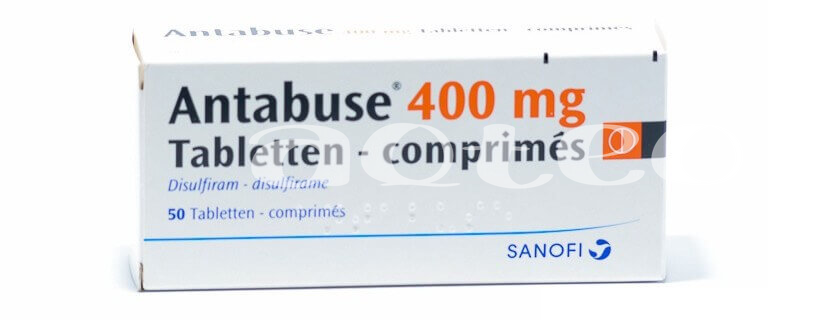
Antabuse can feel empowering, but it is not always comfortable. Some people notice flushing, nausea, headache, or a metallic taste soon after taking it, especially if alcohol is consumed.
Because the medication works by creating an aversive reaction, even small slip-ups can be intense and unsettling. That reaction is what helps deter drinking, yet it may also make daily routines feel more cautious.
For some patients, these effects are manageable with guidance from a clinician and clear expectations. Others may struggle with anxiety, fatigue, or the pressure of staying completely alcohol-free.
Understanding these challenges early can make antabuse easier to use and less surprising. With honest communication and careful supervision, many people can stay focused on recovery instead of fear.
Why Support Systems Still Matter
A support system turns antabuse from a solitary barrier into part of a real recovery net. When cravings rise, a trusted friend, sponsor, or counselor can help the person pause, talk honestly, and choose safer steps before a slip becomes a relapse.
Family involvement also matters because recovery happens in daily life, not in a clinic alone. Encouragement, clear boundaries, and practical check-ins help reduce isolation, while support groups offer shared experience and hope.
Teh best results often come from combining medication with accountability, therapy, and healthy routines. Antabuse may discourage drinking, but support helps someone stay motivated when stress, shame, or temptation feels overwhelming.
| Support from others | Builds accountability |
Realistic Expectations for Long-term Recovery
Recovery with Antabuse is rarely a straight line, and that is okay. Many people find that the medication creates a meaningful pause between craving and action, but long-term success still depends on learning new coping skills, recognizing triggers, and building healthier routines. It helps to think of Antabuse as one tool in a larger plan rather than a quick fix. Progress may come in small steps, with setbacks that require reflection instead of shame. NCBI Bookshelf MedlinePlus
Over time, realistic expectations can reduce frustration and support steady change. Some days feel stronger than others, and cravings can still appear even when treatment is going well. The goal is not perfection; it is safer choices, better self-awareness, and a plan that makes relapse less likely. With medical guidance, therapy, and support from trusted people, Antabuse may fit into a broader recovery journey that evolves as needs change. That gradual approach often leads to the most durable results, even when the path is uneven.
https://cphia2023.com/wp-content/uploads/2024/02/jpg/rybelsus.html https://heart-saverinstitute.com/wp-content/uploads/2025/07/png/buy-hydrochlorothiazide.html